Single Products

GV-CS1320

  • 2MP progressive scan super low lux CMOS
  • Minimum illumination at 0.02 lux
  • Dual streams from H.264 and MJPEG
  • Up to 15 fps at 1920 x 1080
  • Day and night function (with removable IR-cut filter)
  • Built-in IR with effective distance up to 3 m (10 ft)
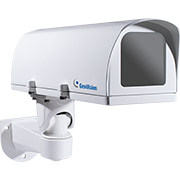
  • Ingress protection (IP66)
  • DC 12V, 2.5A / PoE+ (IEEE 802.3at)
  • Built-in microphone and speaker
  • Wide Dynamic Range (WDR)
  • Built-in micro SD card slot
  • Provides 180° panorama view
  • ONVIF (Profile S) conformant
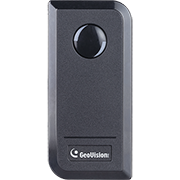
  • Built-in 13.56 MHz, ISO 14443A reader
  • GeoVision access cards with GID (GeoVision Identifier) support
  • 2 types of interfaces, RS-485 and TCP/IP, supporting 2 readers for each interface
  • OSDP communication through RS-485
  • 1 door (one-way or two-way control)
  • 2 inputs, dry contact (Door Sensor / Exit Button)
  • 1 relay output (Electric Lock)
  • Support for GV-I/O Box 4 Ports for door / fire / temper sensor, door button and doorbell applications
  • Touchpad to activate two-way communication between the operator and visitors
  • Snapshots captured upon card presented and touchpad activated
  • SIP / VoIP calling support
  • Anti-Passback (APB) support
  • GV-Access app for push notifications

Description

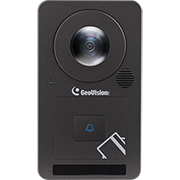
GV-CS1320 Access Controller with Built-In Camera and Reader

The GV-CS1320 is an advanced access controller featuring a 2 MP camera and a 13.56 MHz RFID reader integrated into a single device. It can recognize access control cards and grant access to up to 100,000 users. The built-in camera captures a live view of the entrance and transmits it directly to the GV-ASManager access control system over the network, eliminating the need for a separate camera installation and maintenance.

For efficient communication between the operator and visitors at the door, the GV-CS1320 offers three notification options: SIP/VoIP Calling, GV-ASNotify PC program, and the GV-Access mobile app. When the touchpad on the GV-CS1320 is activated, it initiates a VoIP call to the operator, enabling communication with the visitor. The operator can then enter an access code to unlock the door, streamlining visitor management and access control.